Are Medical Alert Devices in Your Digital Nomad Plan
Living the digital nomad life turns daily routines upside down. When your home fits in a backpack or switches with every rental, being ready for health emergencies becomes a must, not an option. Medical alert devices serve as a lifeline for travelers, especially families on the go. Picture having a gadget that works everywhere—whether in a tiny village or a bustling city—bringing real peace of mind while exploring. The right device connects you to help fast, no matter the time zone or language. For travelers chasing safety without missing a beat, knowing how to choose and use these gadgets can change stress into smooth, worry-free adventures. Keep reading to find out how this little-known tool can boost your travel game and protect your journey.
If you or a family member has a chronic condition, is at risk of falls, or would benefit from a quick way to call for help, a small device can change outcomes on the road. Below you will find real world examples, technology trade offs, and a checklist that helps you match device features to travel style and destination constraints.
Are Medical Alert Devices in Your Digital Nomad Plan
Start by asking a few simple questions. Who travels with you? What medical conditions are present? How remote are the places you plan to visit? The answers shape whether a medical alert device should be part of your packing list.
For instance, if a partner has cardiac issues or a history of severe allergic reactions, a wearable that connects to emergency services and transmits location could be lifesaving. If your family prefers urban destinations with reliable ambulance services, a smartphone emergency app combined with a wearable button may be sufficient.
Why medical alert devices matter for travelers
When you are outside your usual care network, timelines for receiving help can stretch. A device that signals for help on your behalf closes that gap in many cases. Here are typical scenarios where having one makes a difference.
- Immediate fall detection after a slippery mishap when walking on wet cobblestones in an unfamiliar city
- Anaphylactic shock triggered by a food ingredient in a new market where communication barriers make it hard to explain allergies
- Sudden cardiac symptoms while hiking on an isolated trail far from the nearest clinic
Each scenario highlights the same common benefit which is faster identification and notification of responders.
Types of medical alert devices suited for nomads
Devices vary by how they send alerts location tracking and duration of battery life. Knowing the main categories helps you compare models effectively.
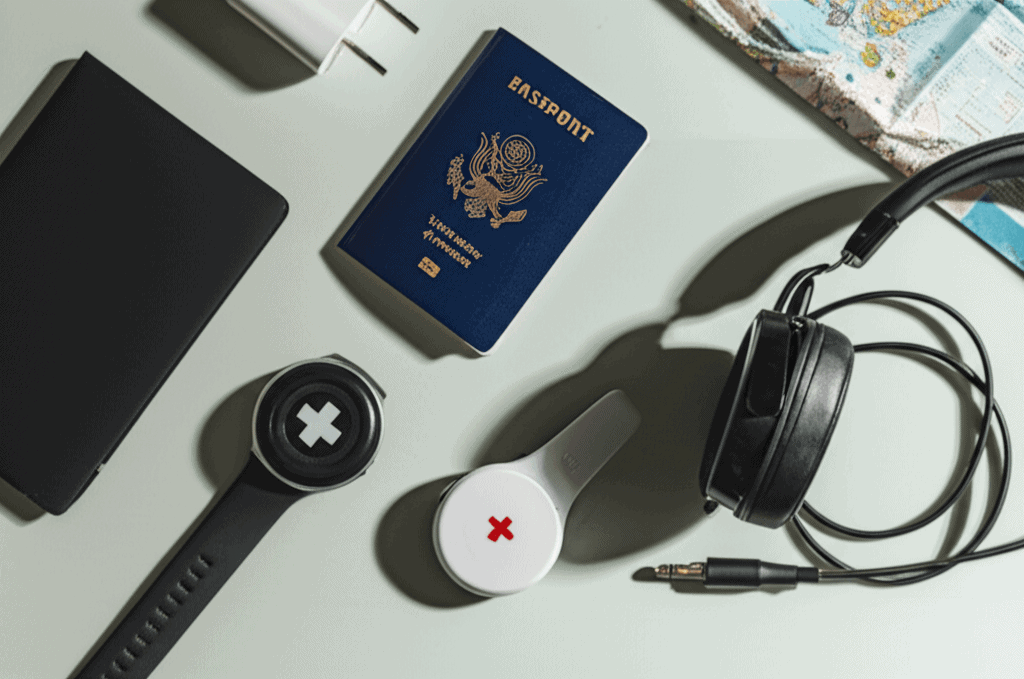
- Stand alone wearable buttons that use cellular networks and built in GPS
- Smartwatch style devices that combine health monitoring with an emergency button
- App based systems that pair a smartphone with a wearable for redundancy
Pros and cons of cellular devices
Cellular devices work independently of a phone which can be a major plus if your phone battery dies. Their coverage is tied to provider agreements so confirm which countries are supported. Some devices include a global SIM while others require swapping local SIMs which affects continuity.
Pros and cons of smartphone paired systems
Pairing with a smartphone reduces cost and adds features like two way voice, messages, or telemedicine links. The downside is reliance on the phone for connectivity and battery. For families that travel light and keep phones charged, paired systems can be a sensible option.
Connectivity and international coverage considerations
Connectivity is a technical piece that has large practical implications. Two common approaches exist cellular with global roaming features and Wi Fi reliant solutions. If you plan time in remote regions prioritize devices that support multiple bands and have roaming agreements across continents.
Before buying check vendor coverage maps and read user reports from the countries you intend to visit. A device that works well in Western Europe may struggle in parts of Southeast Asia or rural South America if the required cellular bands are not supported.
Battery life durability and maintenance tips
Battery life is one of the most underrated factors. A device with a long lasting battery minimizes the risk of being unprotected due to forgetfulness or travel delays. Look for models that advertise standby days or weeks rather than a single day of operation.
Durability matters when you are moving through variable climates. Water resistance and impact resistance protect devices during beach days and transit mishaps. Also consider how easy it is to charge the unit abroad. Can you use a USB power bank or will you need a specific charger or adapter?
Integrating devices into family travel plans
Adding medical alert devices to a family plan is about matching responsibilities and expectations. Decide who is the primary responder in your group when an alert goes off. Is it a local emergency service or a family member who will coordinate care from a distance? Set those roles before departure.
- Share account logins and device calibration instructions with another adult
- Store emergency contacts and medical information in the device profile and as a hard copy
- Practice a mock alert sequence so everyone knows the steps after a button press
One practical option is to register multiple contacts in the device and set escalation rules that attempt local services first and then call listed relatives. If you want a deeper look at how families can make this work in different travel patterns you can find out more for a focused list of reasons and setup advice.
Cost insurance and legal aspects to check
Costs range from monthly subscriptions for cellular connectivity to one time purchases for simple fall detectors. If you have travel insurance read policy wording about medical devices in advance. Some insurers will cover damage or theft while others list wearable medical gear as excluded.
Legal rules differ by country. A device that transmits location data may be subject to data protection rules in parts of Europe. Confirm that the provider complies with local laws and that you are comfortable with the privacy terms. When in doubt keep sensitive medical notes on encrypted storage rather than sharing everything through the device profile.
Choosing the right features for your travel style
Match features to how you travel. If you move frequently between urban centers choose compact devices with strong cellular roaming. For long stays in one region choose a device with strong local support and a battery that lasts longer between charges.
- For active outdoor travel prioritize GPS accuracy and automatic fall detection
- For family trips with young children include devices that have a two way voice feature and geofencing alerts
- For long term stays prioritise subscription plans with local service numbers and clear cancellation rules
Here are practical tips that save time while on the road. Keep a printed card with the device serial number and account support phone numbers in your travel folder. Label chargers and carry a small power bank that is dedicated to health electronics. If you will be visiting multiple countries choose one device that supports multi band cellular networks rather than buying separate units per destination.
When comparing brands read independent user reviews and ask about real world testing in regions similar to yours. Phone support hours and language options matter when time is critical. Also check replacement policies and how quickly the company sends a loaner or replacement device if yours fails during a trip.
In many cases a medical alert device is a low friction layer of protection that fills gaps traditional travel planning leaves open. It is not a replacement for a local health plan or a substitute for carrying essential medications but it does increase your ability to reach help and to communicate needs clearly during an emergency.
Final decision making can be simple. Assess medical risk, pick the device type that matches your connectivity needs, verify coverage for planned destinations, and assign clear family roles for responses. These steps create a low maintenance system that keeps your family safer while traveling.
Conclusion
Medical alert devices deserve consideration in any digital nomad plan that includes children older relatives or anyone with known health risks. They provide a direct line to help reduce time to treatment and can offer location data and two way communication that ordinary phone calls may not. Practical preparation covers selecting the right device type, validating international coverage, testing battery and durability under actual travel conditions, and integrating the device into shared responsibilities among family members. Small investments in planning bring tangible returns when minutes matter. Take the next step and list the medical needs of your travel group then compare a few devices against that list. If you want hands on setup tips and a checklist tailored to nomad families use the resources linked earlier and speak with a provider about trial periods and return policies. Making a plan today reduces stress on the road and makes a medical emergency easier to manage tomorrow.